Baby Tears of Joy: Why Pilea Depressa is June’s Must-Have
6/9/2026
The Resurgence of a Tropical Classic
High-Margin Foliage for Greenhouse Efficiency
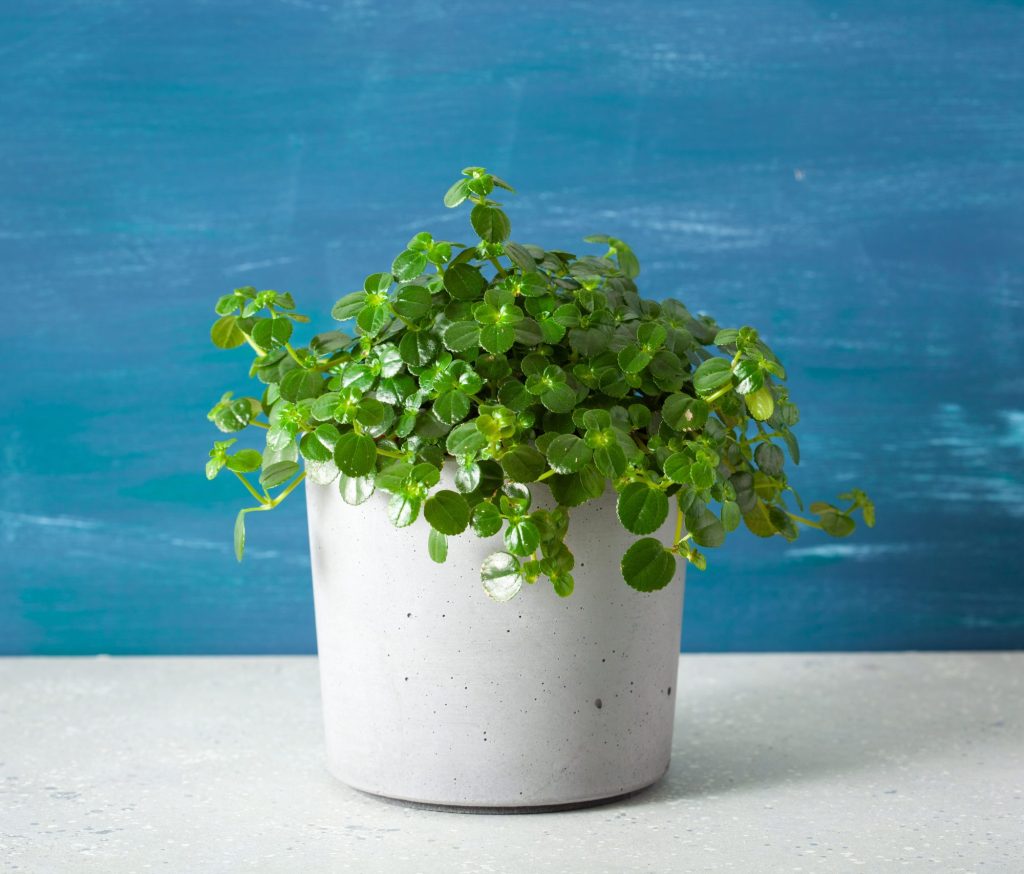
If you are looking to maximize greenhouse efficiency and introduce high-margin foliage, there is one plant that deserves a second look: Pilea Depressa.
Commonly referred to as “Baby Tears,” this striking perennial is our featured Plant of the Month for June. Sourced directly from our VITA farms in Guatemala, this fast-growing crop provides a structurally sound foundation designed for rapid rooting and a seamless finish in your facility. It serves as an exceptional resource for wholesale growers looking to increase crop turns and boost profitability.
High-Margin Foliage for Greenhouse Efficiency
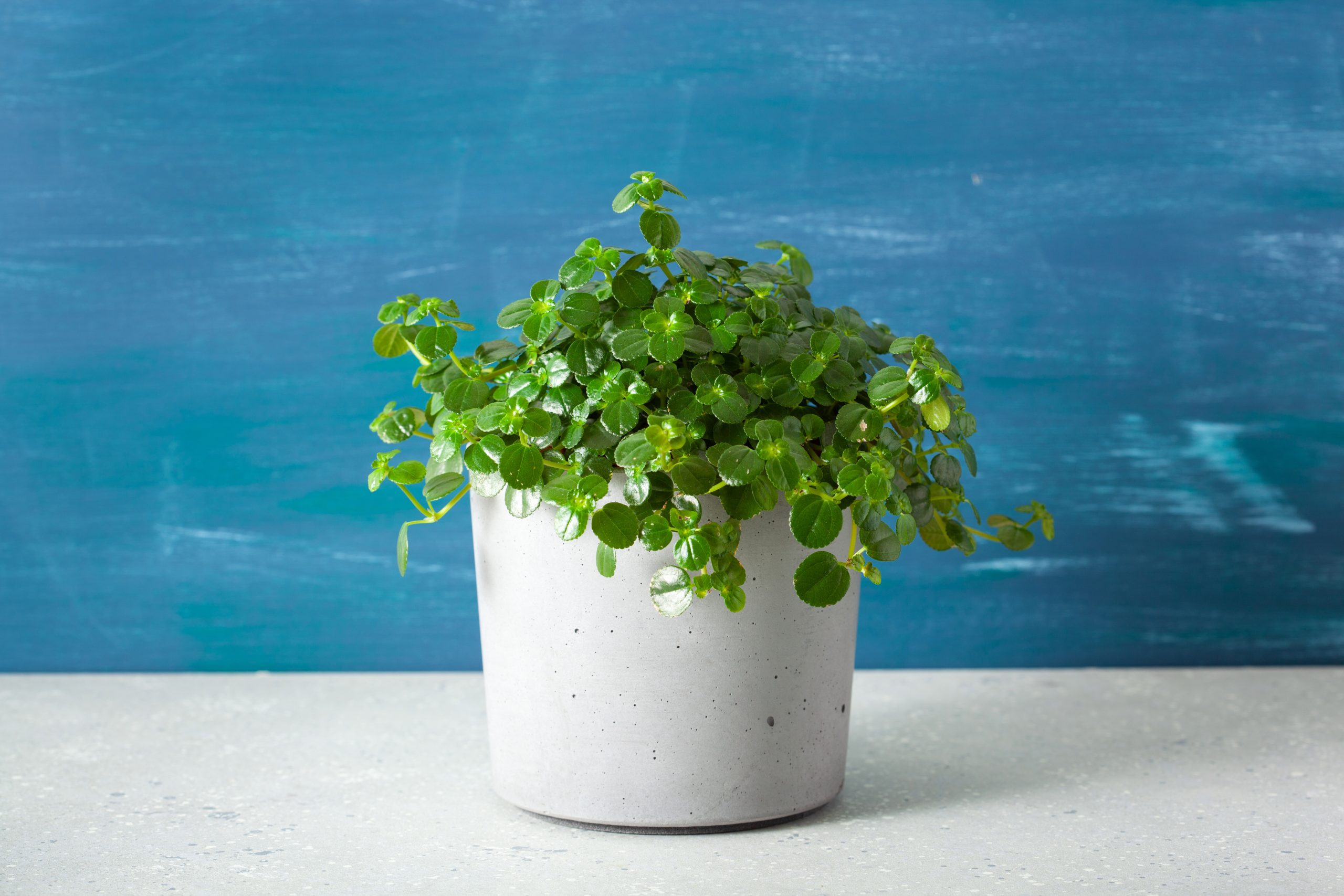
If you are looking to maximize greenhouse efficiency and introduce high-margin foliage, there is one plant that deserves a second look: Pilea Depressa.
Commonly referred to as “Baby Tears,” this striking perennial is our featured Plant of the Month for June. Sourced directly from our VITA farms in Guatemala, this fast-growing crop provides a structurally sound foundation designed for rapid rooting and a seamless finish in your facility. It serves as an exceptional resource for wholesale growers looking to increase crop turns and boost profitability.
Exceptional Care and Cultivation at VITA Farms
What makes this specific plant so special is the exceptional care it receives at VITA farms, where it is grown under optimal tropical conditions. Through the natural humidity and the care of our expert staff, we ensure our plants develop a strong root system and rapid growth before they ever reach your greenhouse. Because of the delicate care within our process, you receive products that transition smoothly into your programs, saving you time and ensuring a quick turnaround to your customers.
Unlike standard houseplants, Pilea offers unique, highly textured leaves that allow it to stand out significantly from other foliage on the market. This distinct look makes it a wonderful accent piece to other indoor plants. Foremost ensures that all our inventory is cared for with meticulous attention so that this highly differentiated plant makes its way to customers everywhere with consistent quality.
Production Scheduling and Growth Benchmarks
While end consumers are typically drawn to their dense mat of tiny, vibrant leaves and its excellent indoor air purification, the true value of Pilea Depressa lies in its highly predictable production schedule. Greenhouse managers can confidently program this variety for standard 4-inch to 6-inch pot lines, interior combo pots, and high-performance retail hanging baskets.
For precise facility scheduling, production benchmarks from our cell packs yield a finished product in approximately seven weeks for a 32-cell pack, ten weeks for a 4-inch pot, and twelve weeks for a 5-inch pot.
Climate Adaptability and Temperature Requirements
These plants are also very adaptable and forgiving to most climates, typically adapting well to the home environment, making it a popular choice for indoor living spaces. Pilea depressa thrives in USDA Hardiness Zones of 10 to 12, thriving in outdoor environments only where temperatures consistently remain above 50 degrees Fahrenheit.
In a controlled greenhouse environment, crops perform best when night temperatures are maintained between 60 degrees Fahrenheit and 70 degrees Fahrenheit, with daytime peaks just over 85 degrees Fahrenheit. Though highly versatile and tolerant of low-to-medium indirect light conditions once fully established, the crop must be shielded from direct sun to prevent localized heat stress and foliage dehydration.
Production Scheduling and Growth Benchmarks
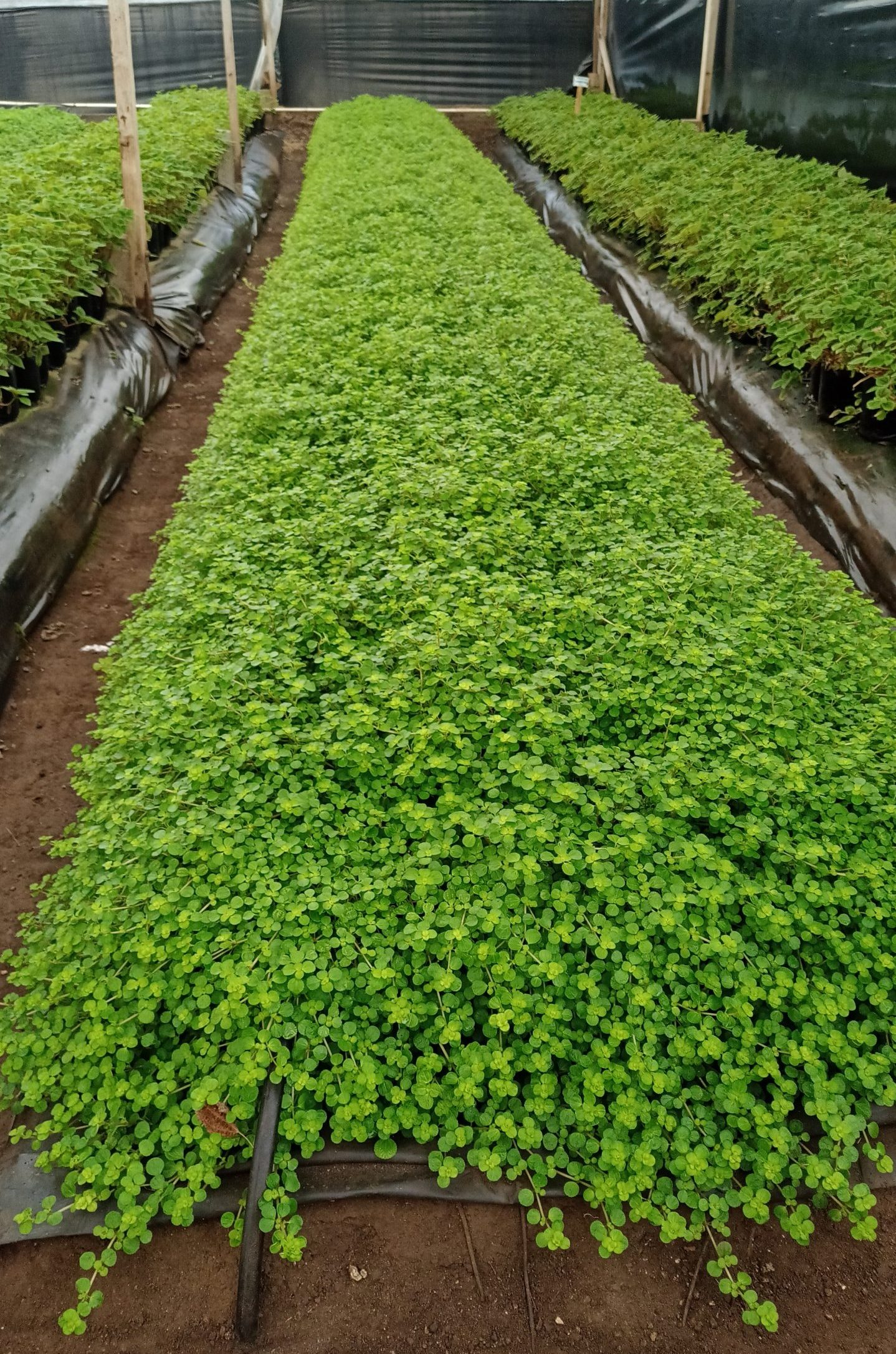
While end consumers are typically drawn to their dense mat of tiny, vibrant leaves and its excellent indoor air purification, the true value of Pilea Depressa lies in its highly predictable production schedule. Greenhouse managers can confidently program this variety for standard 4-inch to 6-inch pot lines, interior combo pots, and high-performance retail hanging baskets.
For precise facility scheduling, production benchmarks from our cell packs yield a finished product in approximately seven weeks for a 32-cell pack, ten weeks for a 4-inch pot, and twelve weeks for a 5-inch pot.
Climate Adaptability and Temperature Requirements
These plants are also very adaptable and forgiving to most climates, typically adapting well to the home environment, making it a popular choice for indoor living spaces. Pilea depressa thrives in USDA Hardiness Zones of 10 to 12, thriving in outdoor environments only where temperatures consistently remain above 50 degrees Fahrenheit.
In a controlled greenhouse environment, crops perform best when night temperatures are maintained between 60 degrees Fahrenheit and 70 degrees Fahrenheit, with daytime peaks just over 85 degrees Fahrenheit. Though highly versatile and tolerant of low-to-medium indirect light conditions once fully established, the crop must be shielded from direct sun to prevent localized heat stress and foliage dehydration.
Moisture Control and Substrate Management
Moisture control and substrate selection are critical to crop health and to prevent common greenhouse pathogens. Growers should utilize a loose, well-drained soil mix, and strictly avoid overwatering. Unlike standard tropical foliage that requires constant saturation, it is highly recommended to let the top one to two inches of the growing medium dry completely between irrigation cycles, as Pilea performs significantly better when kept slightly too dry rather than too wet.
While it appreciates high relative humidity, it adapts smoothly to standard indoor living spaces, making it a highly resilient product for retail shelves.

Refresh Your Summer Programs
As the demand for texture and high-performance trailing foliage continues to grow, Pilea depressa offers a beautiful option to refresh your summer programs.
Ready to bring this profitable staple into your collection? Contact your Foremost sales representative today.
Explore how Foremost can support your rotation planning with availability calendars, planning tools, and insights into tropical plant demand. Together, we can make every season a profitable one.